Otters, Elephants(eals), and Snowbird Butterflies (Where Else but California?)
In need of a sunshine break from gray weather in the Pacific Northwest, I made a spur-of-the-moment decision to check out the central California coast in late November-early December 2025. Four fast-paced days in three locations produced some satisfying photographs of sea otters, elephant seals, and monarch butterflies, plus a renewed sense of creative energy. UVB + cholesterol → vitamin D → 😊💪👌.
My first stop was Elkhorn Slough National Estuarine Research Reserve near Monterey Bay, with a resident population of 100-150 endangered southern sea otters.
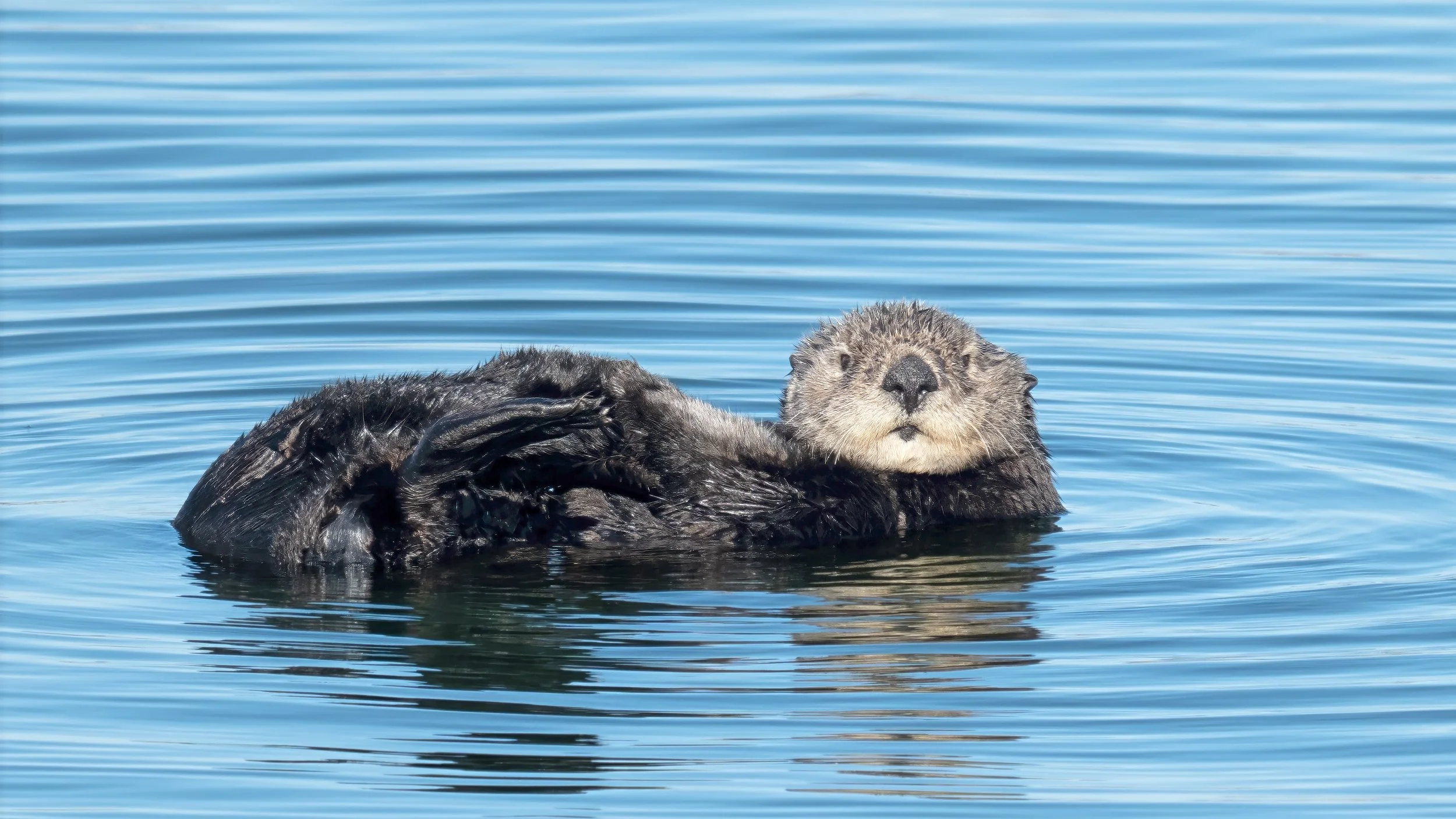
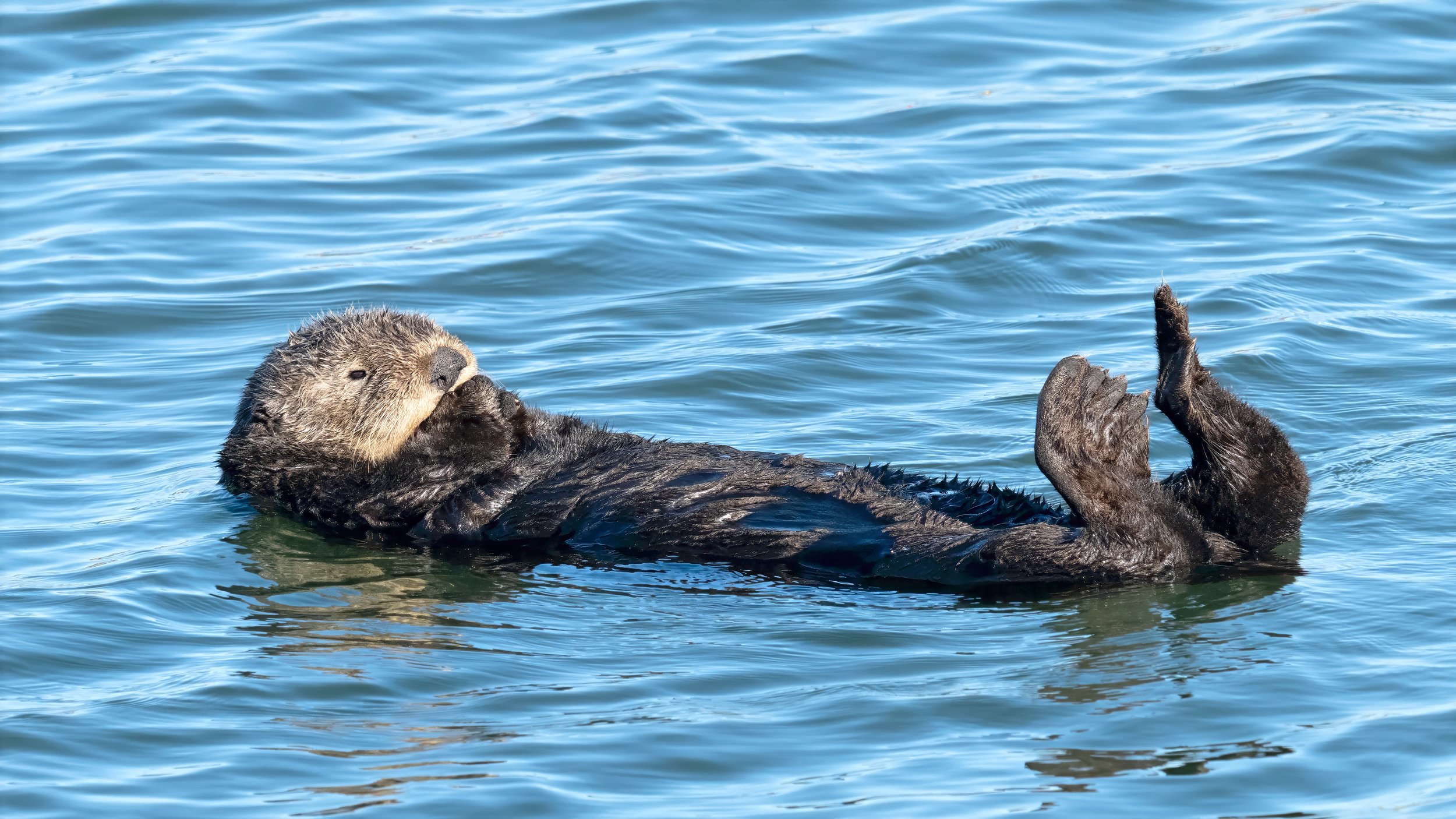
Unlike most other marine mammals, sea otters lack a blubber layer. Instead, they depend on their dense, water-resistant fur to provide insulation. To keep warm, sea otters spend several hours each day, up to half their time awake, grooming and conditioning their fur.
Sea otters were hunted to the brink of extinction by fur traders in the 18th and 19th centuries. Today, about 3,000 southern sea otters range along the mainland coastline of California from San Mateo County to Santa Barbara County, and San Nicolas Island, under protection of the Marine Mammal Protection Act (1972) and the Endangered Species Act (1973). Both are currently facing significant threats in the U.S. Congress.
Next, I moved down the coast to the Piedras Blancas Elephant Seal Rookery near the town of San Simeon. Juvenile seals are present at the rookery year-round, but adults only return there for breeding during December-March and for molting during April-August. I arrived at the rookery on December 1, when only one large male was present along with dozens of younger seals and several photogenic youngsters.
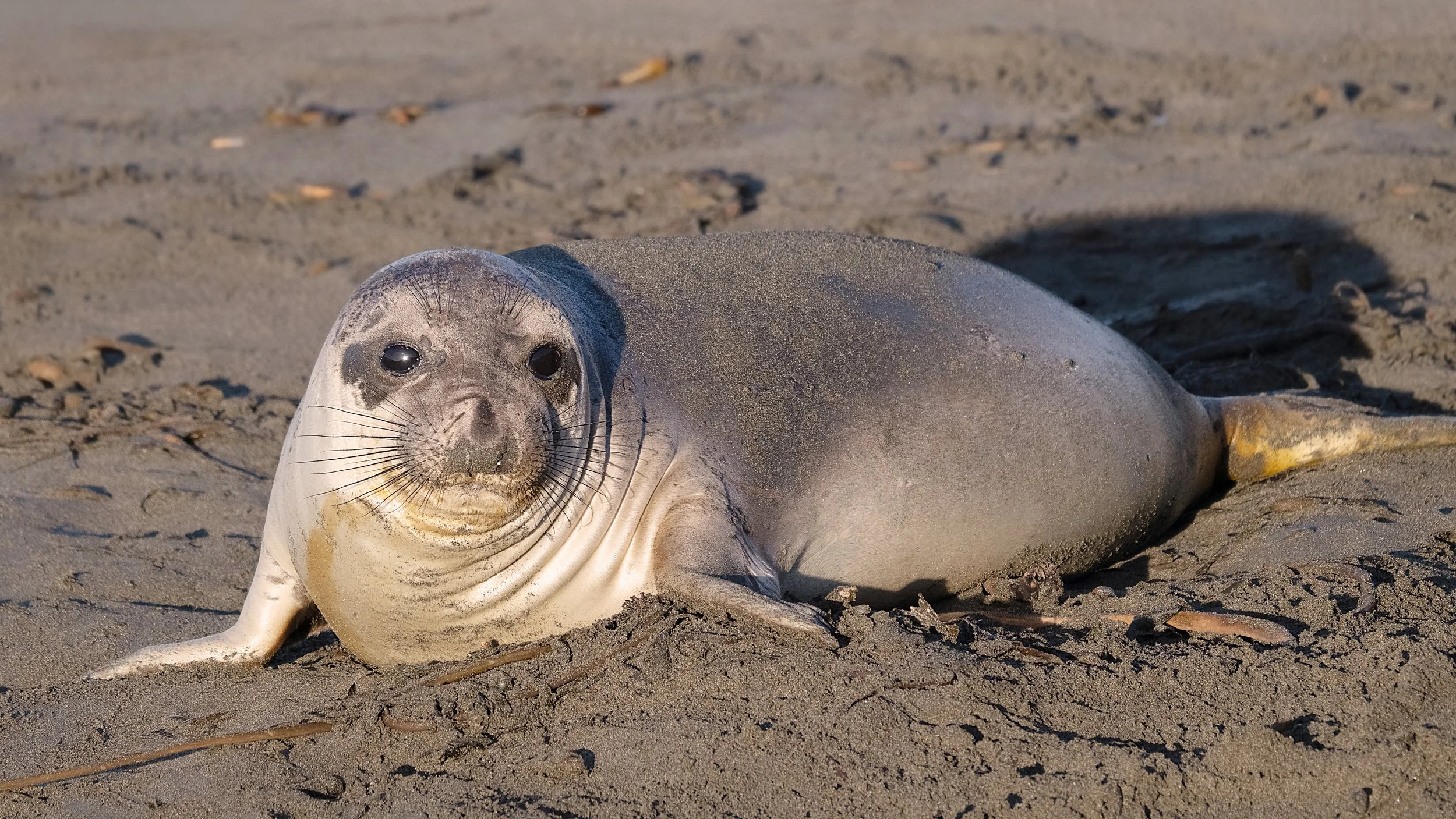
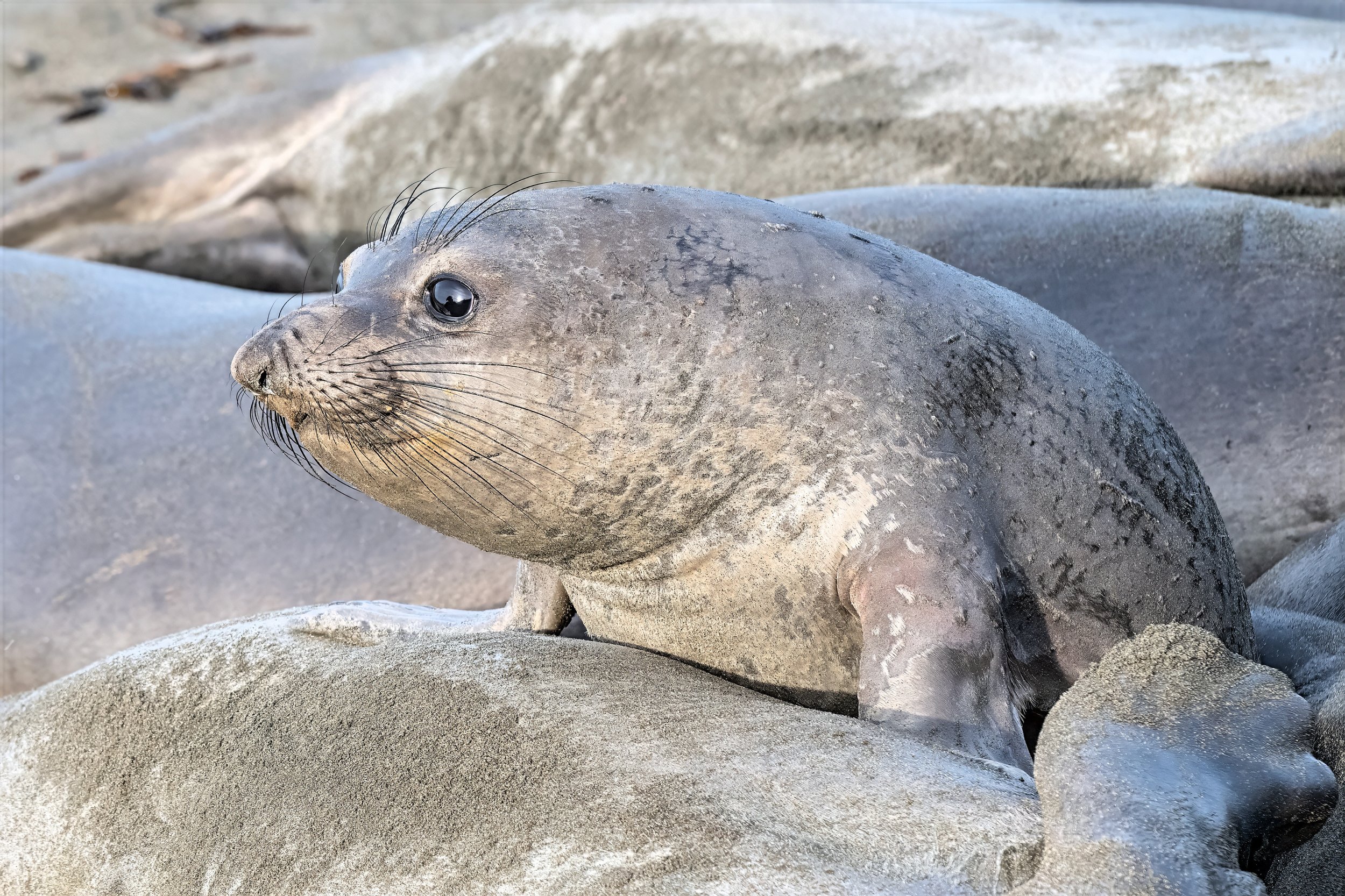
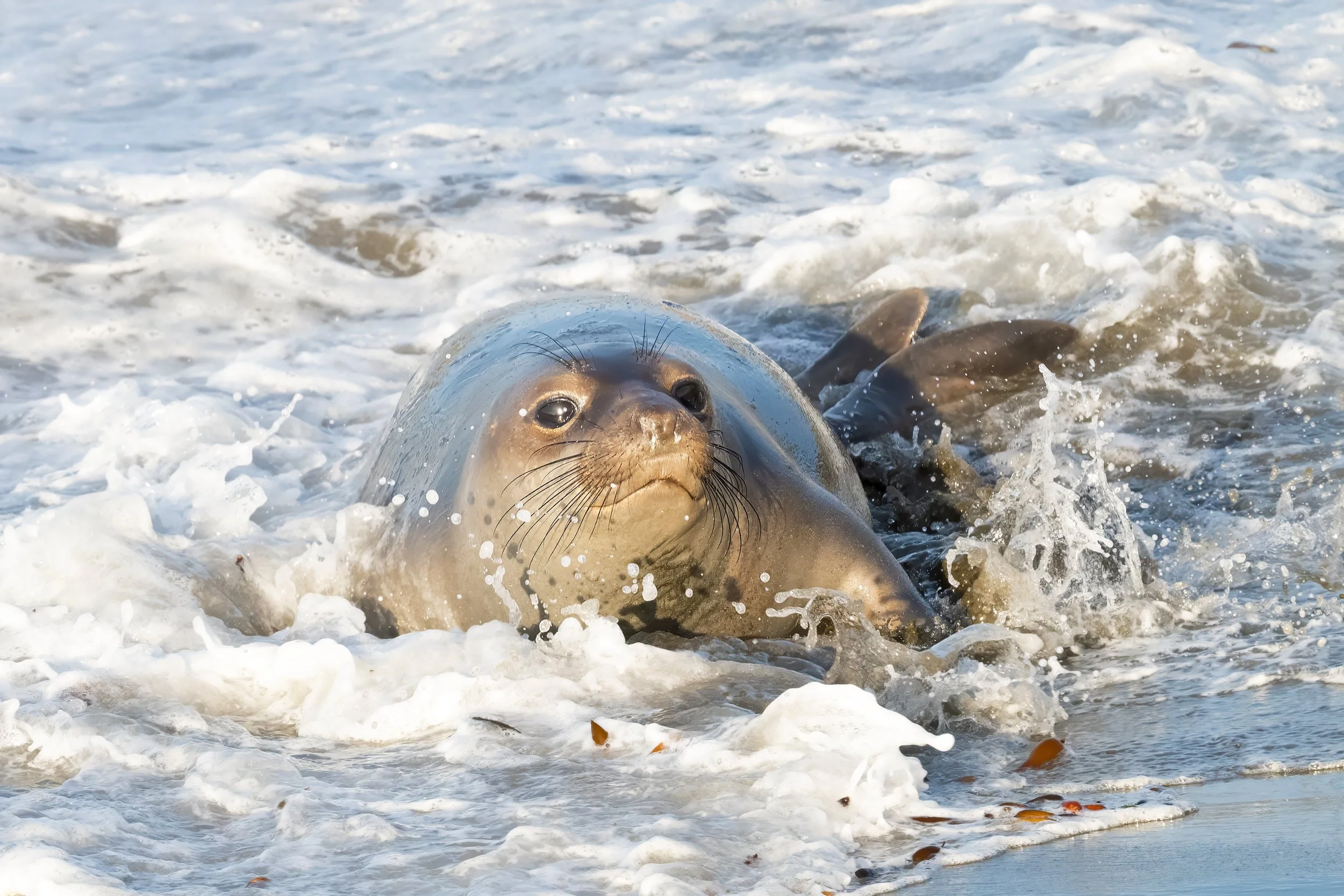
The largest male made his presence and intentions known with visual displays and loud guttural calls, while several younger males skirmished to establish a pecking order.
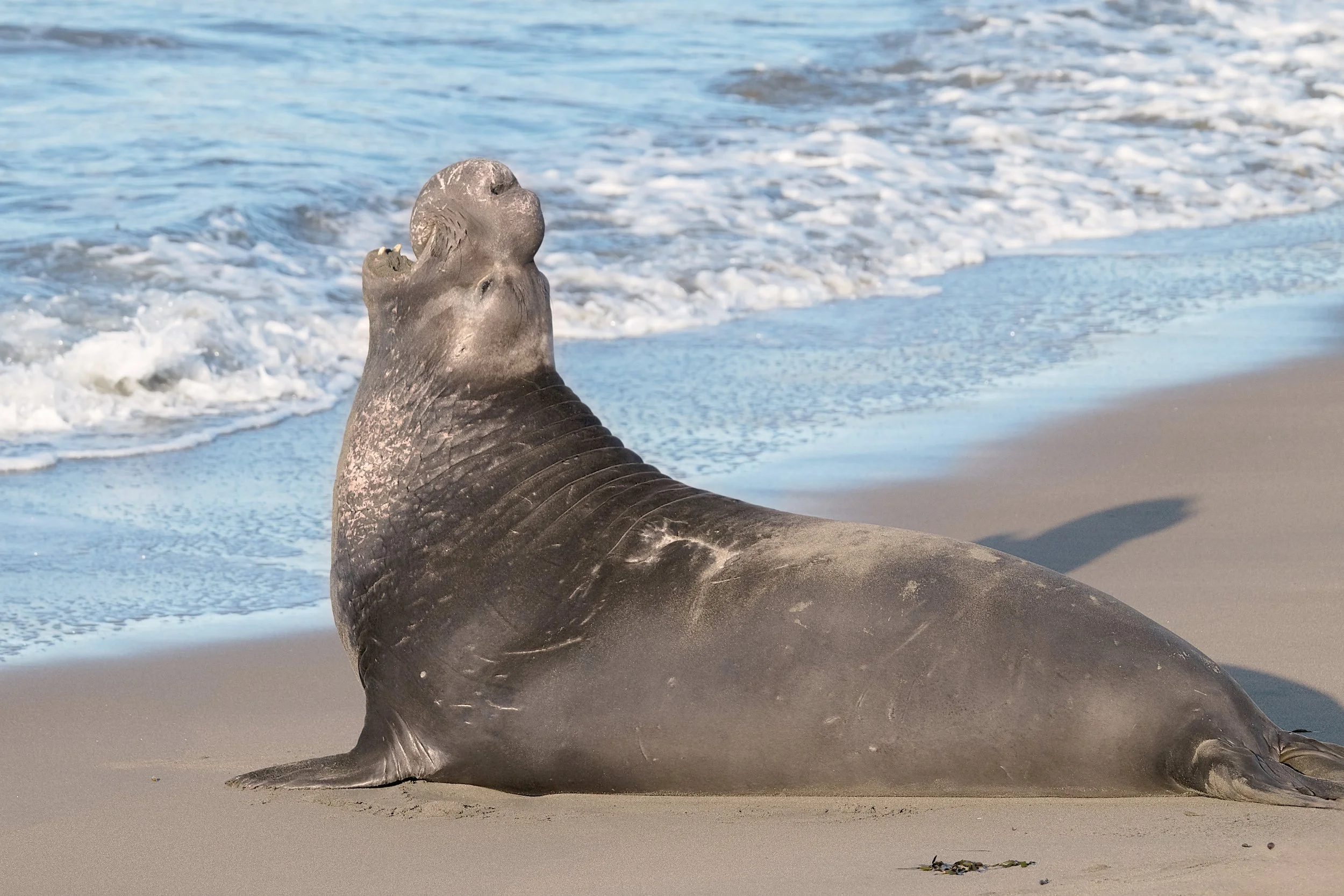
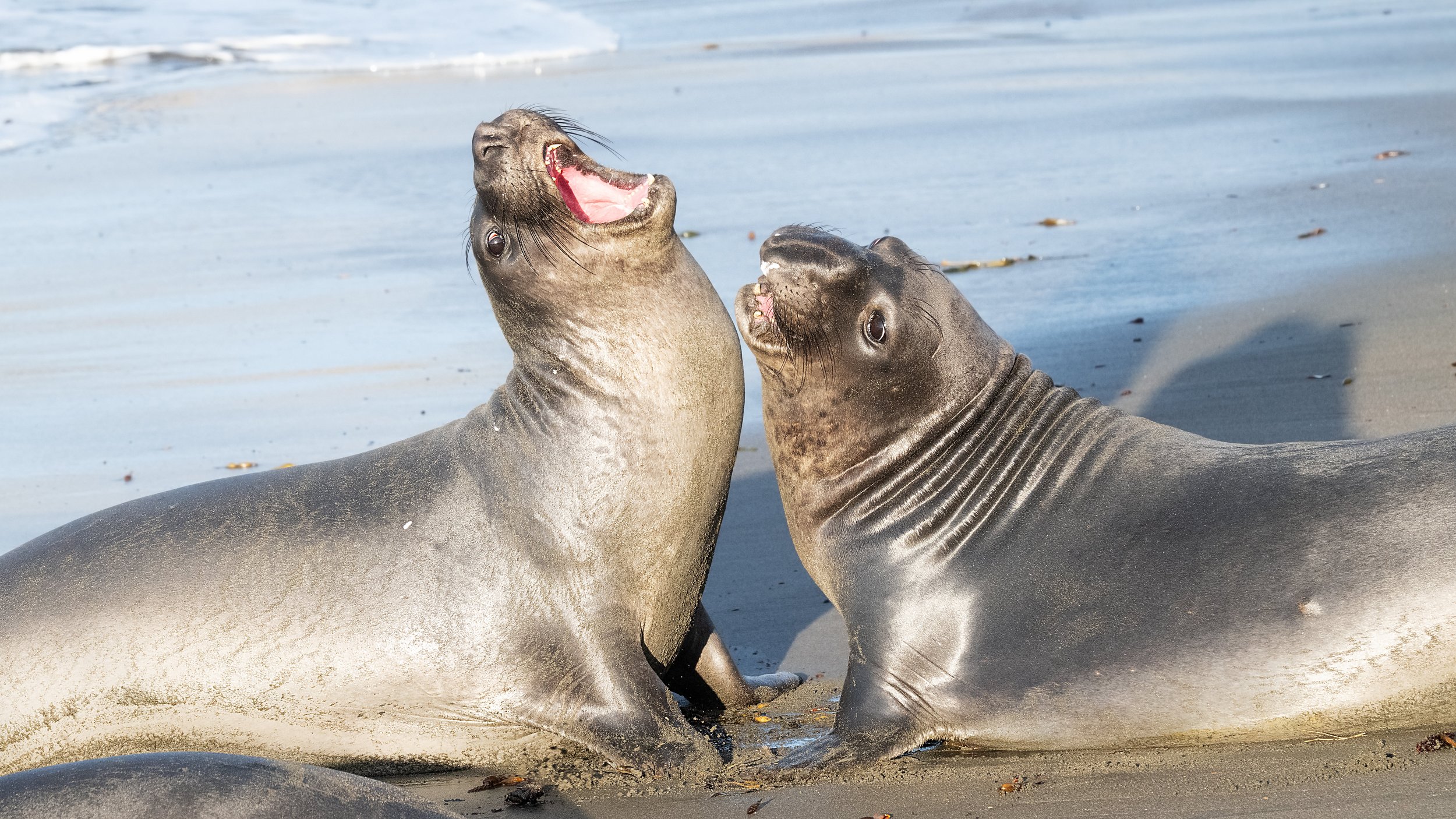
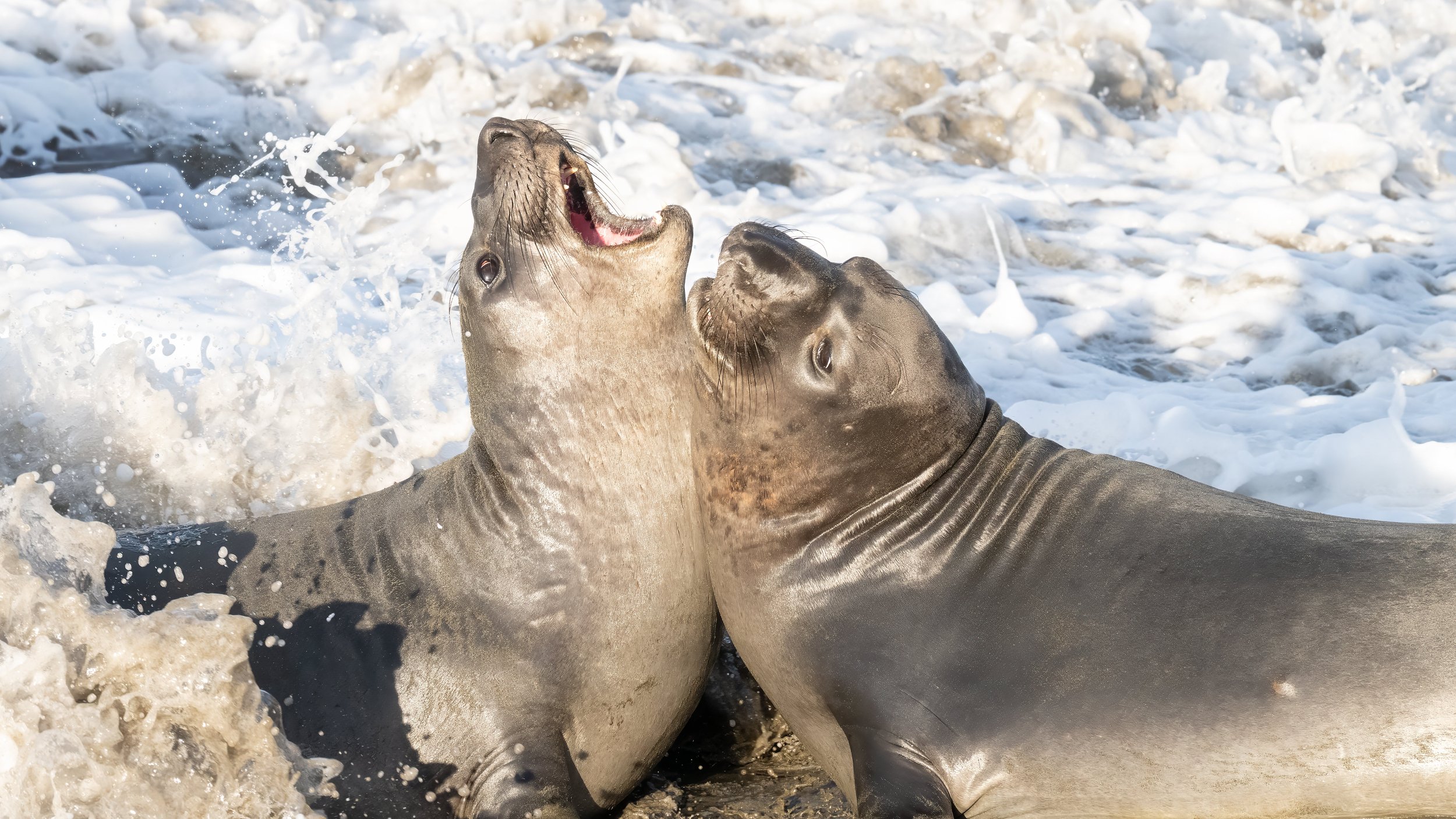
I was too early in the season to witness the spectacle of large older bulls battling in the surf to establish dominance, but the behaviors of the single large bull and younger beach residents, against a backdrop of beautiful California weather, made for an invigorating experience and plenty of interesting subjects for my camera.
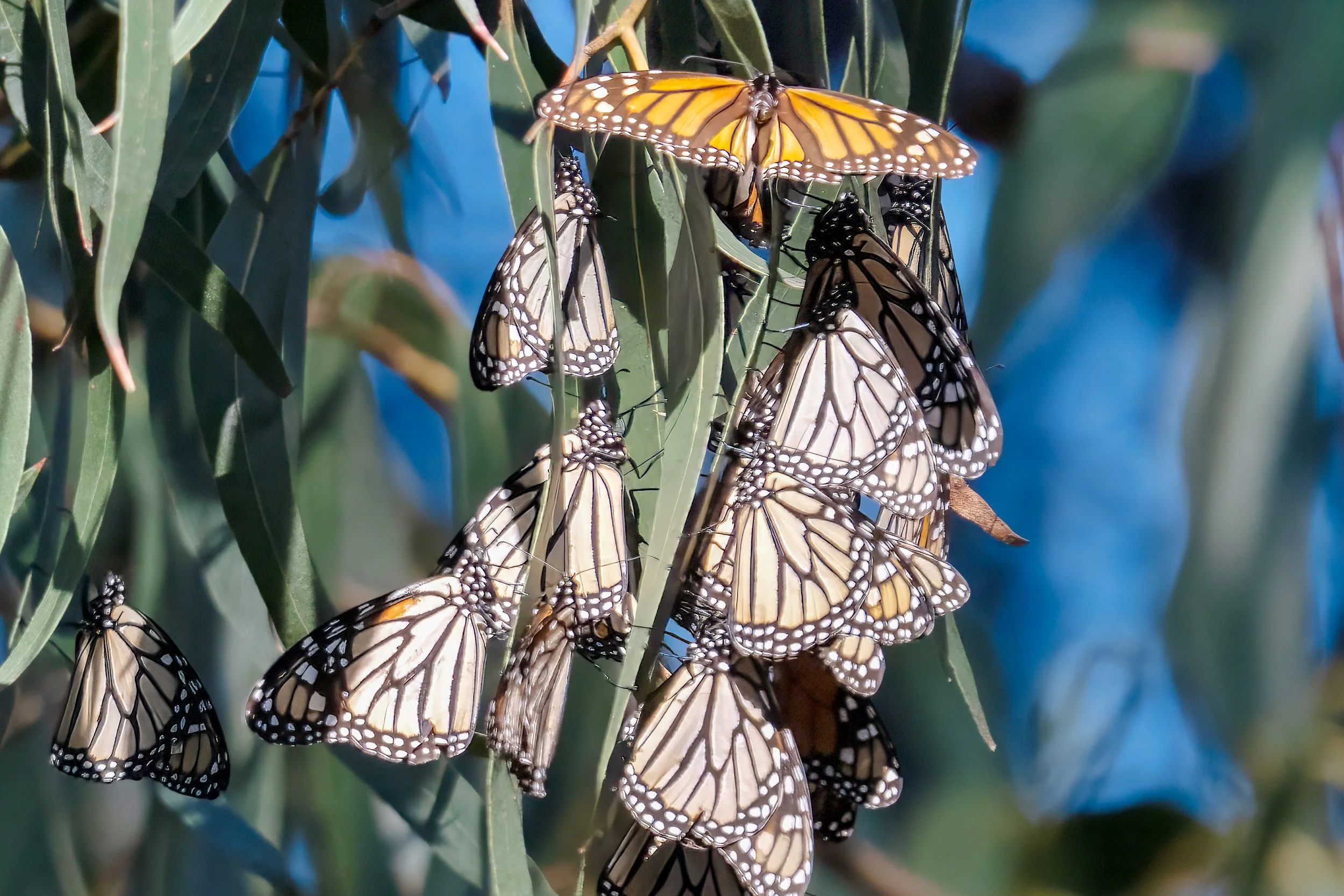
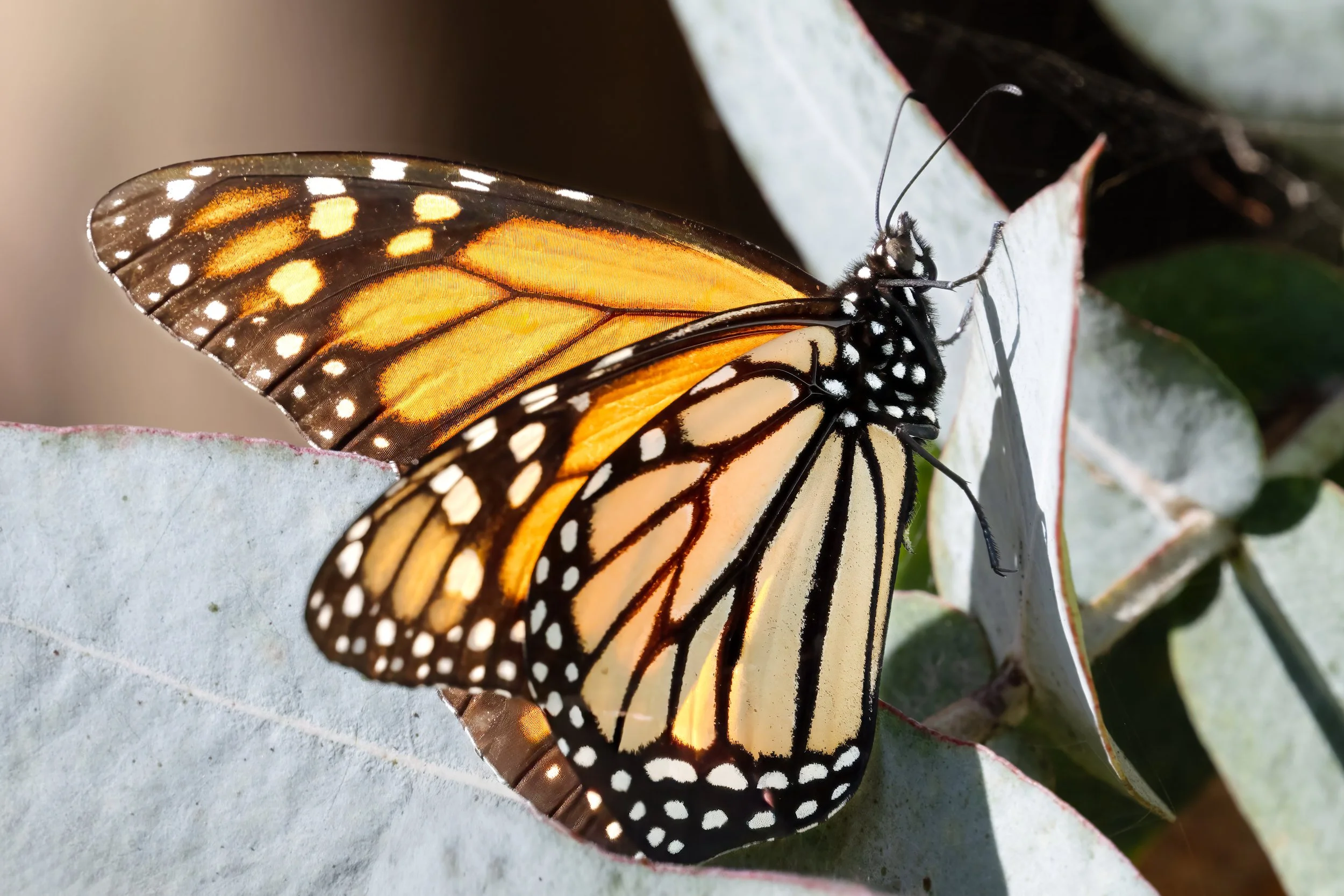
I left the Piedra Blancas seals to their business and continued south along the coast to the Pismo State Beach Monarch Butterfly Grove, where I was hoping to see large numbers of monarch butterflies assembled after their long annual migration. Their numbers have been down sharply in recent years, but still they did not disappoint.