Plight of the Churchill Sea Bear
The scientific name for the polar bear is Ursus maritimus (sea bear). Polar bears spend most of their lives on sea ice, which is crucial for hunting seals, their primary food source. At the Churchill Wildlife Management Area on the western shore of Hudson Bay in Manitoba, Canada, climate change is rapidly shortening the sea ice season and threatening the long-term survival of the bears.
In October 2025, my son and I took our cameras to Churchill WMA in hopes of encountering and photographing polar bears. We were successful in capturing many memorable moments with the majestic animals, but the experience was bittersweet in terms of what we learned about the dire outlook for the bears in a rapidly warming climate.
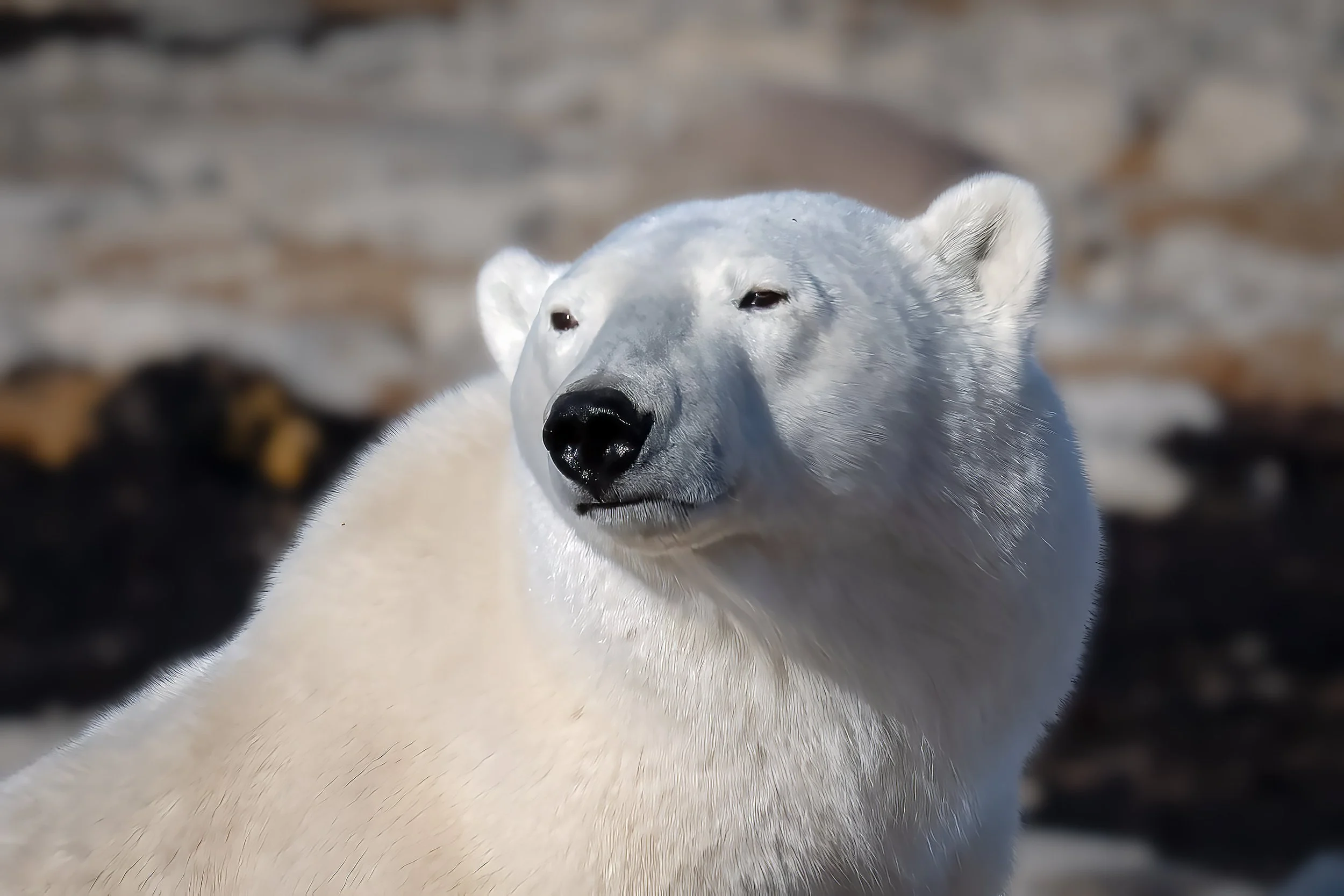
Polar Bears on the western shore of Hudson Bay face an uncertain future.
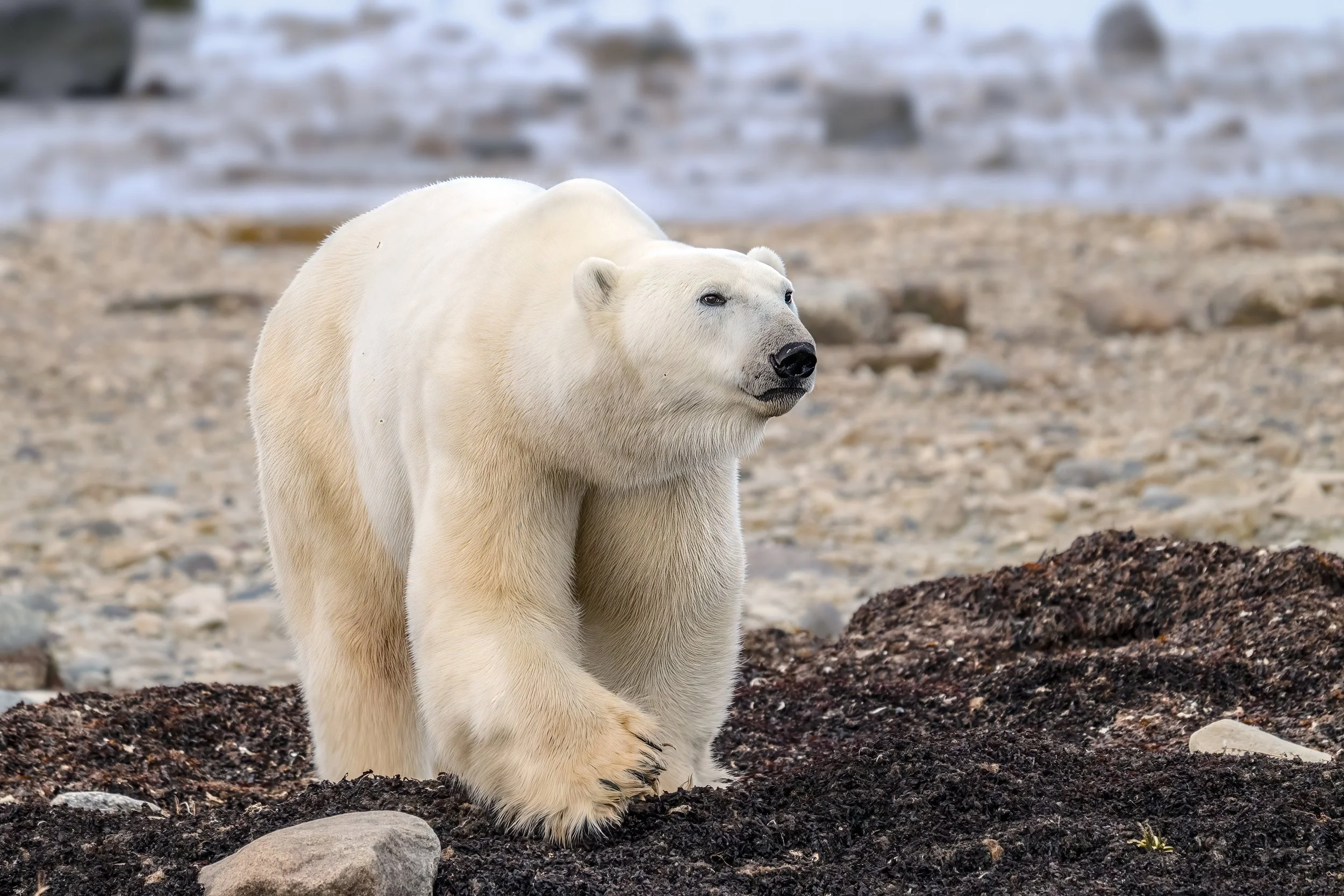
Warming climate means shorter feeding seasons for bears on Hudson Bay’s seasonal sea ice. The result is smaller litters and a rapidly declining population.
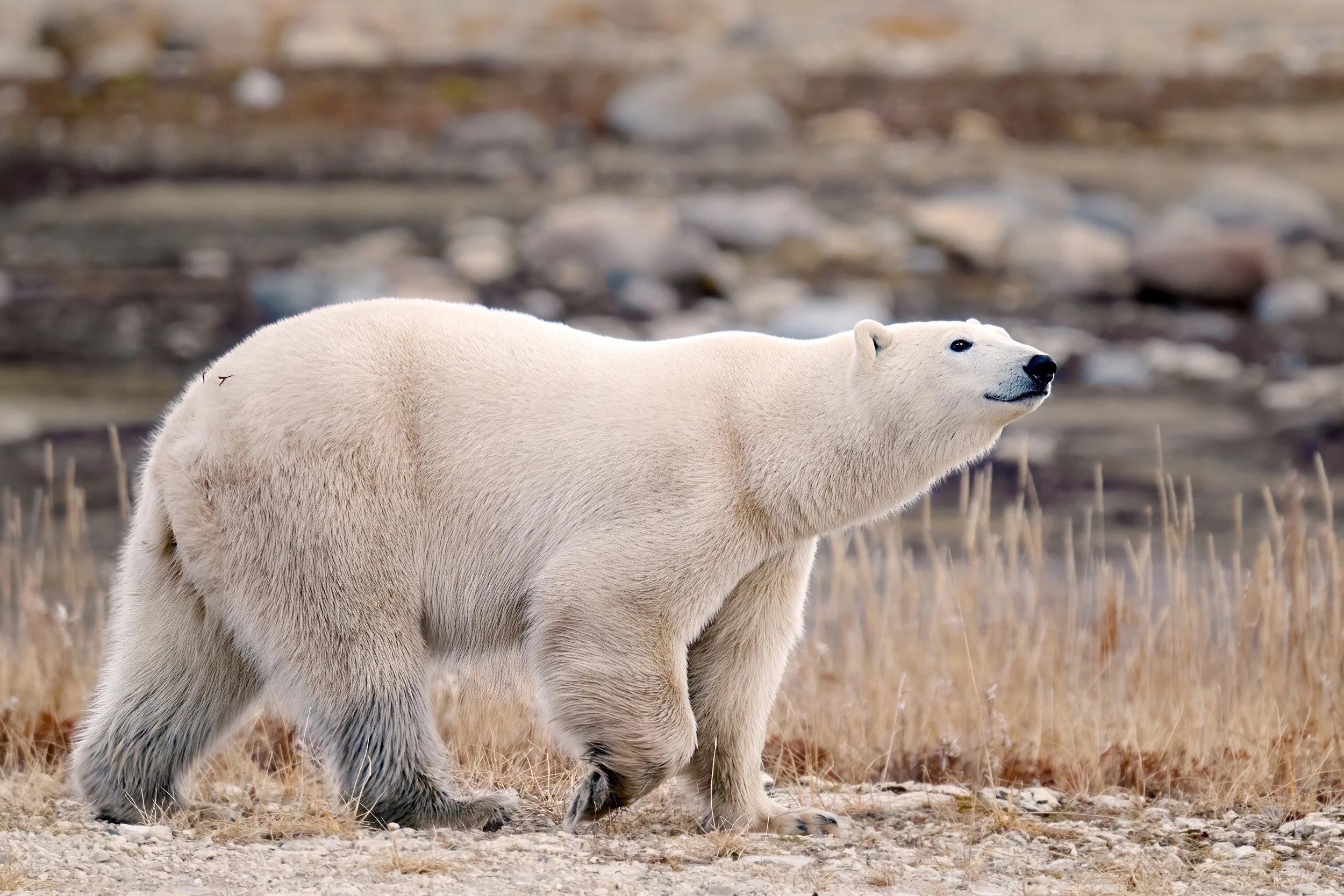
There were about 1,200 polar bears on the western shore of Hudson Bay in the 1980s. Today, there are about 600.
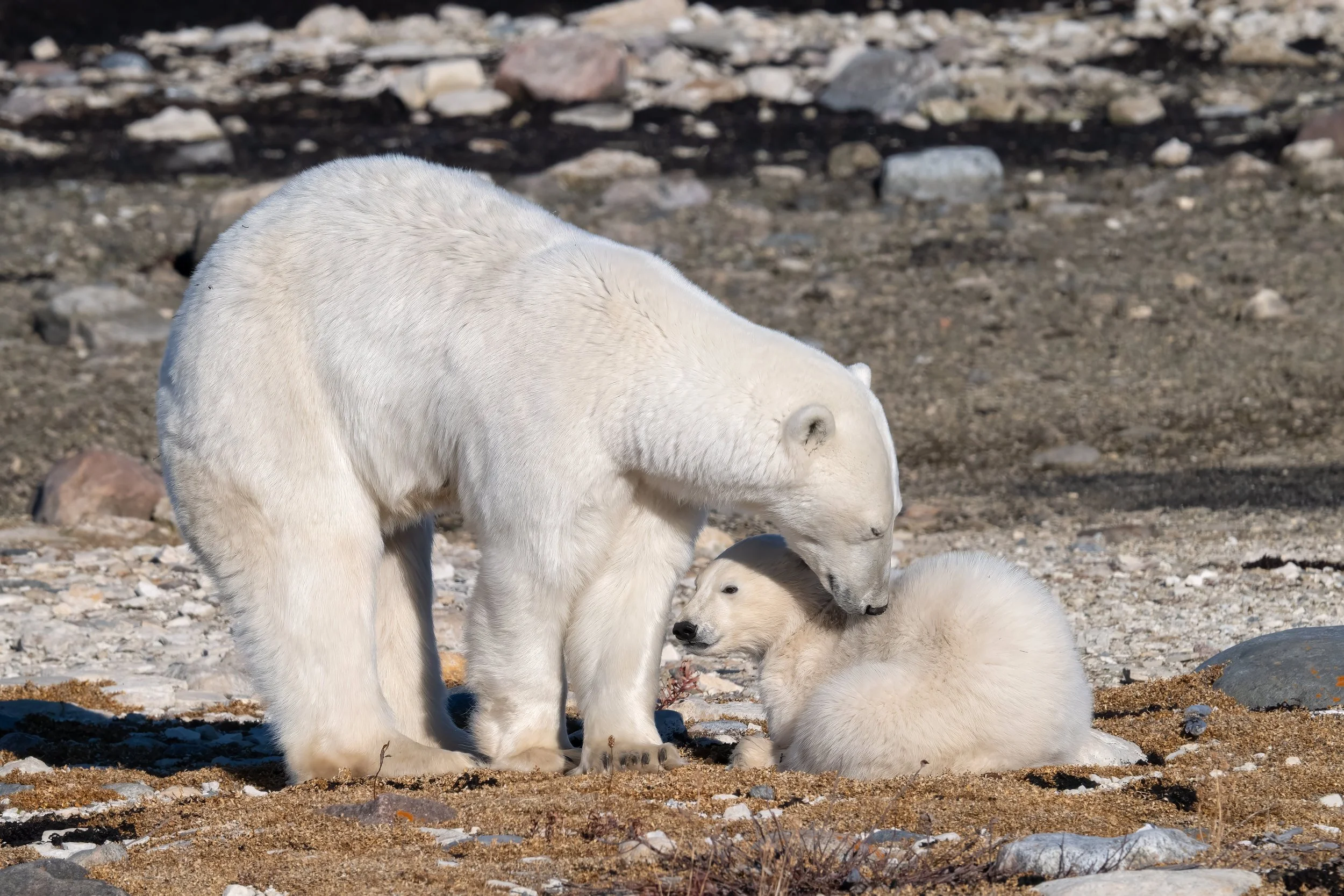
In the 1980s, most polar bear litters comprised two or three cubs. Today, one or two cubs are common and triplets are rare.
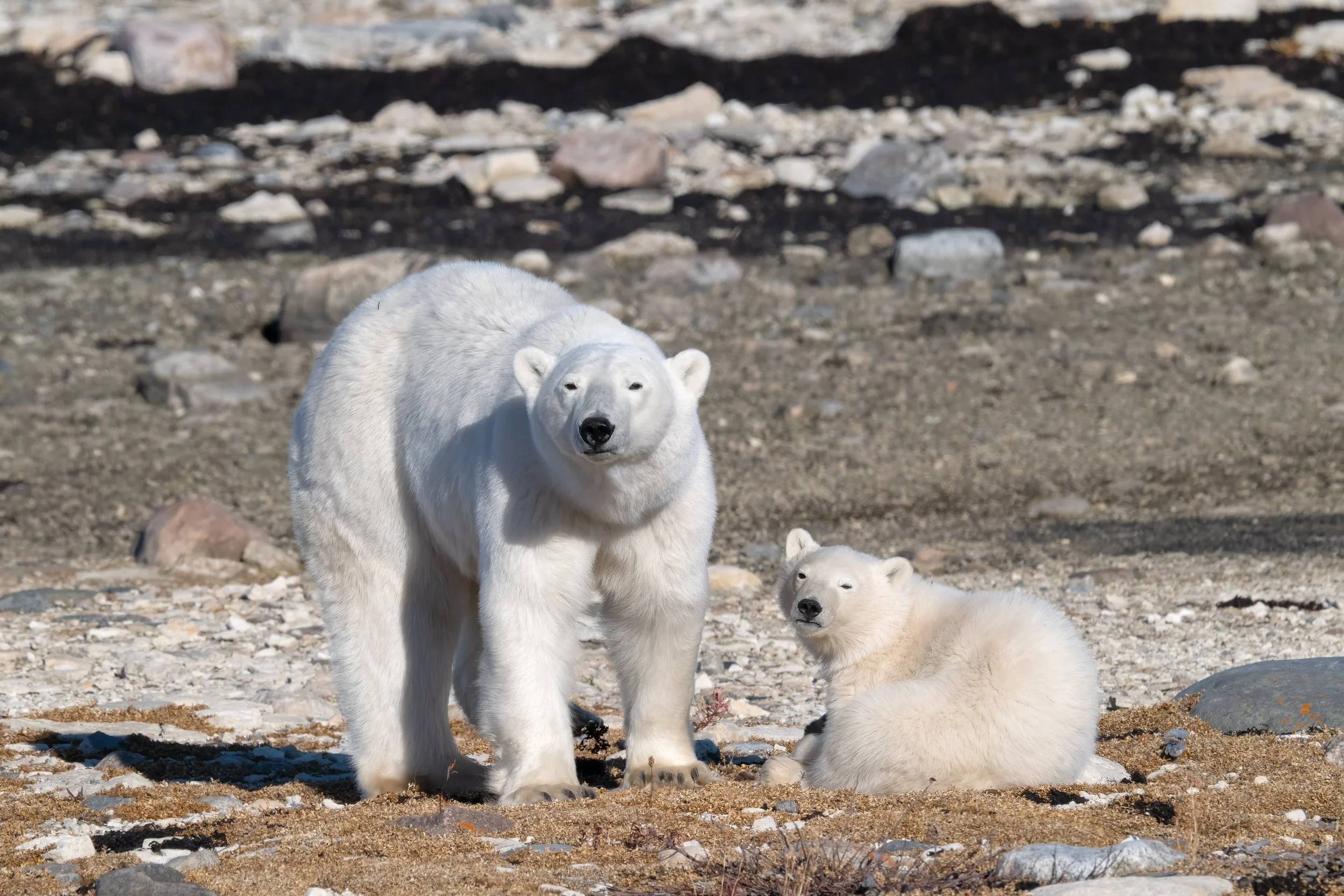
Only about 50% of the newborn cubs survive their first year. The trend toward smaller litters means the Churchill polar bear population might not be sustainable.
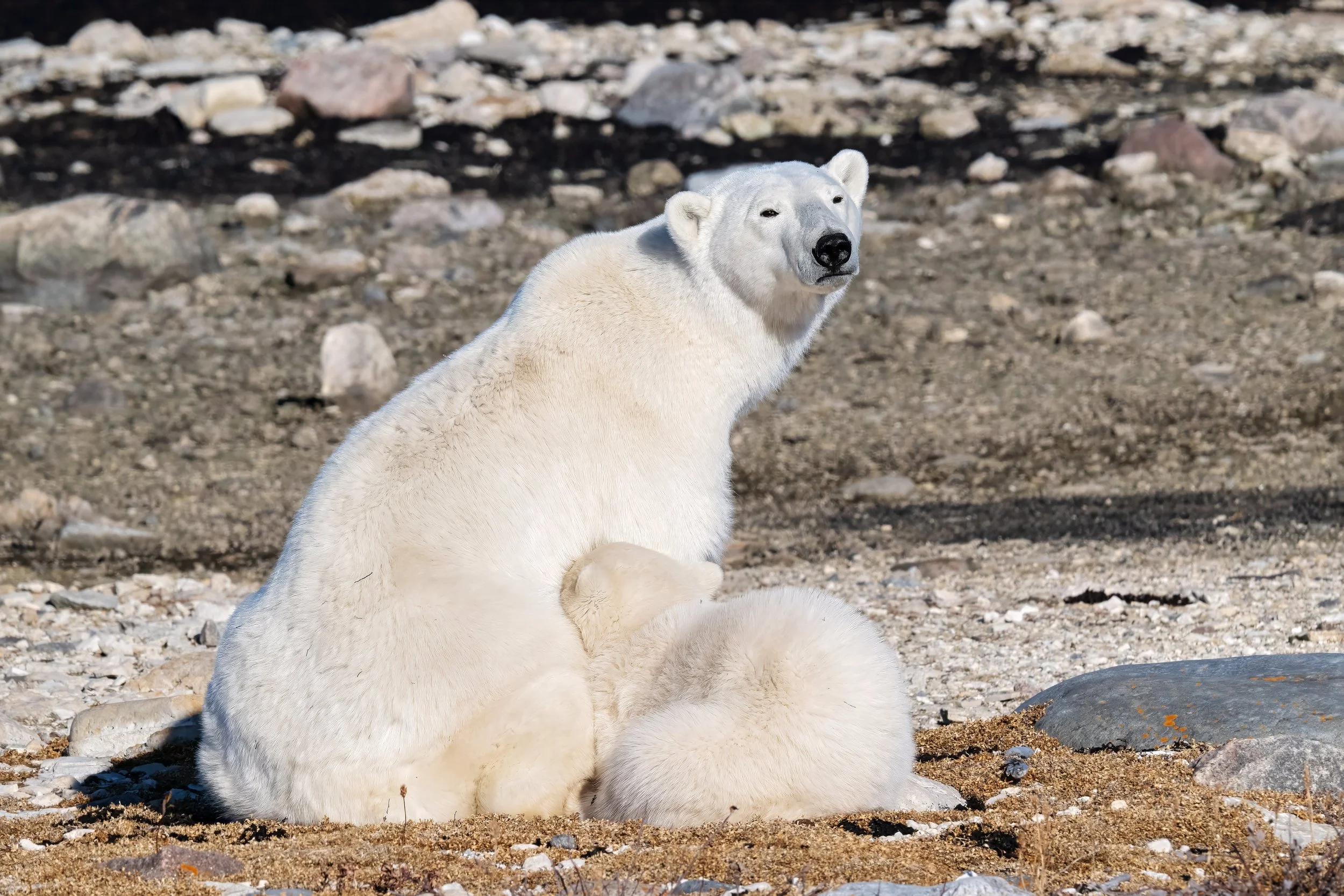
Watching this cub of the year nurse on its mother was a particularly poignant experience in light of the threats they face as a direct result of human activities.
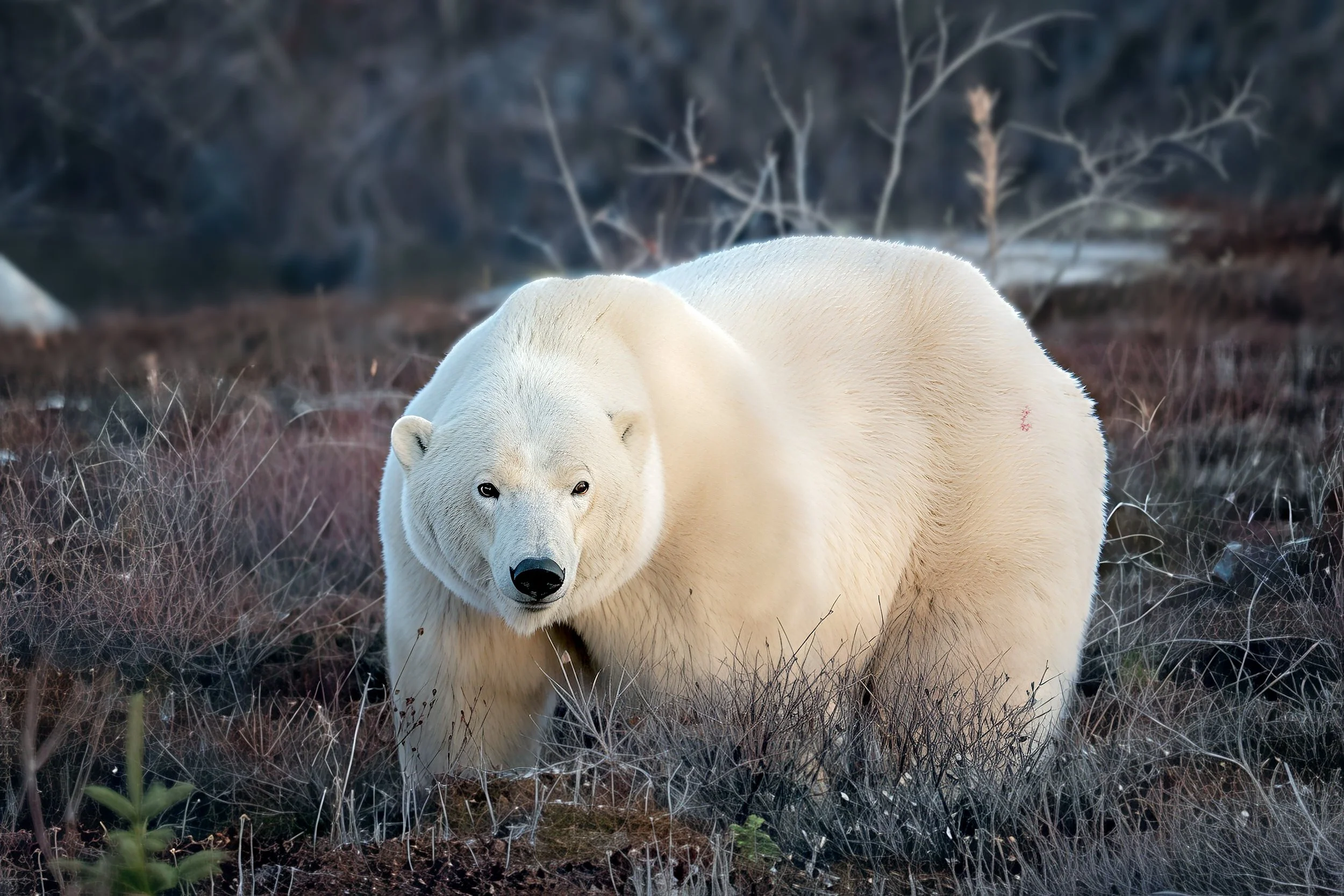
The polar bear is a apex predator, but it has no defense against a warming climate. The rapidly shrinking sea ice season at Hudson Bay is an existential threat to them.
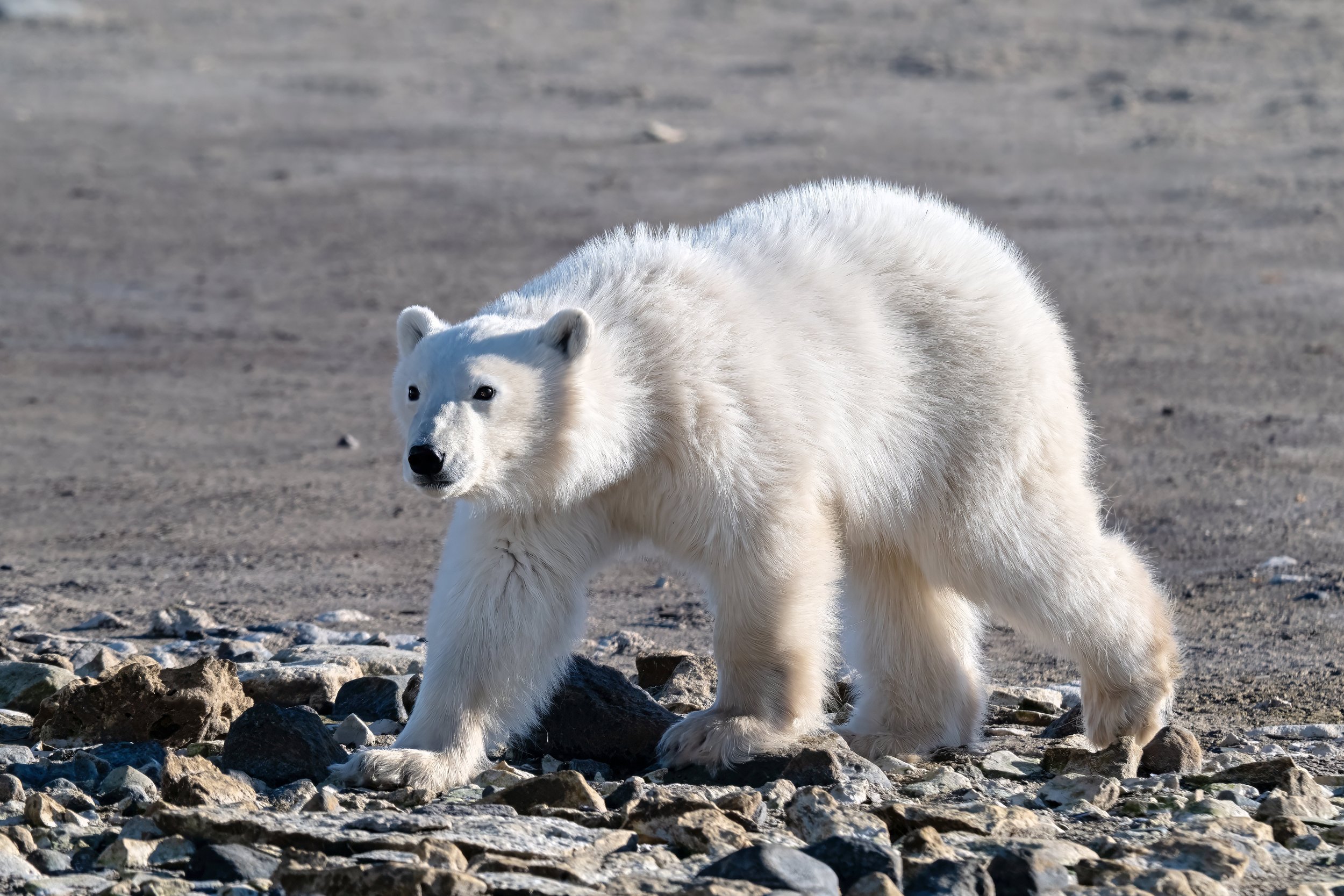
The future seems dire, but it is not hopeless. Decisive action by the international community can slow the pace of climate change and ensure a future for these beautiful animals.
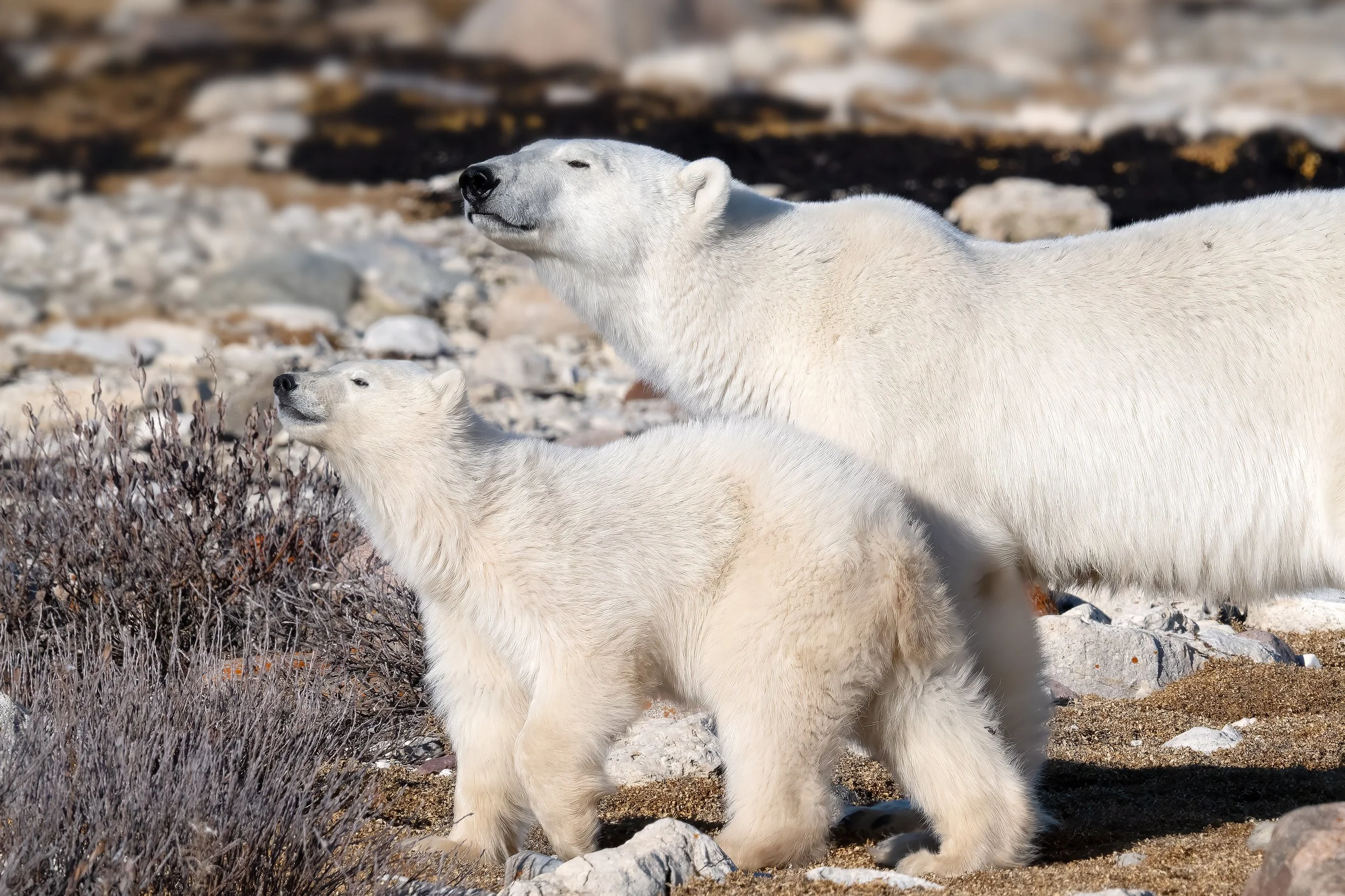
Will they be around for future generations to see? The answer can still be “yes” but only if we take action on their behalf.
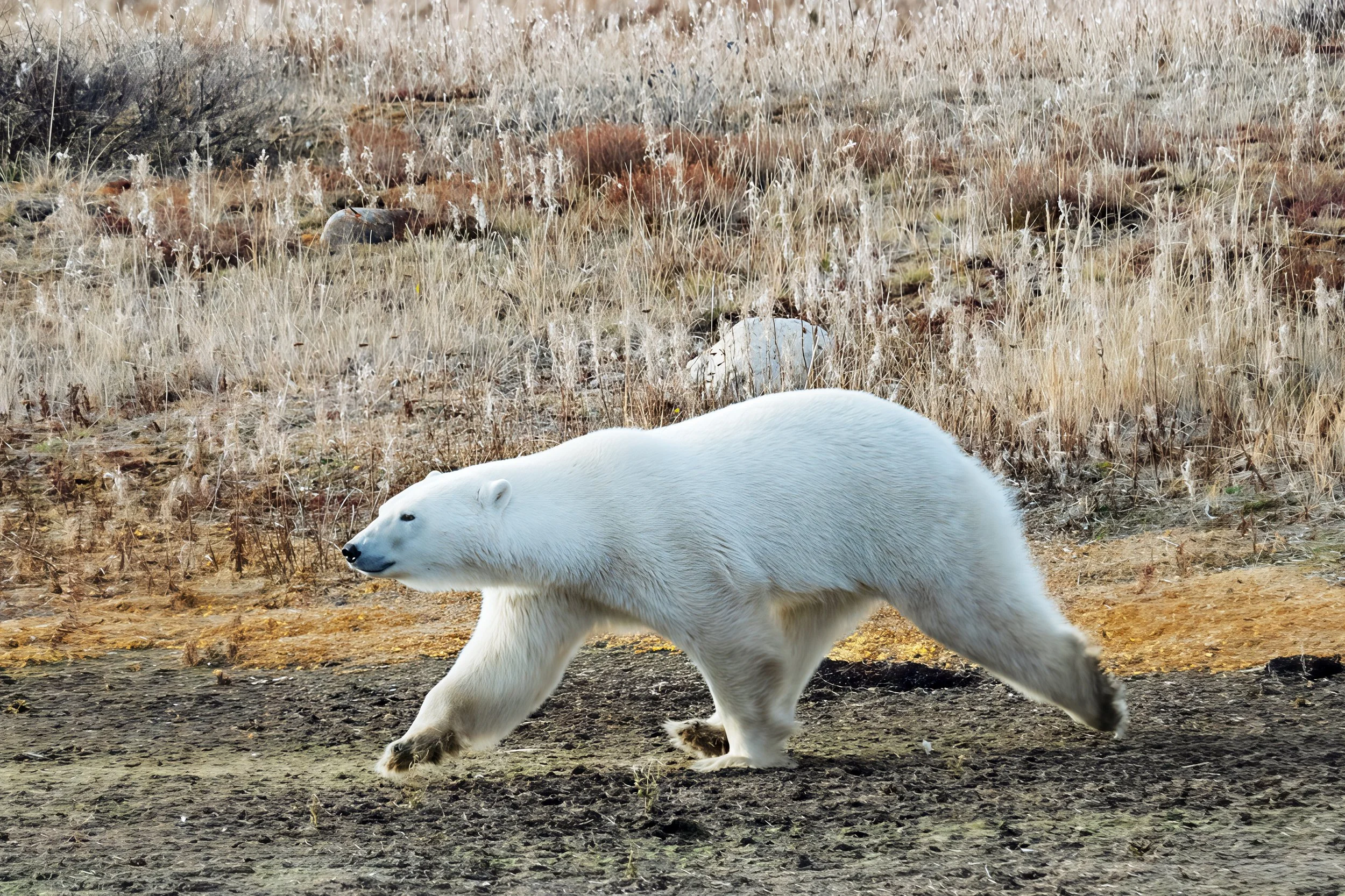
Concerned about the plight of the polar bear? Consider a donation to Polar Bears International, a science-based nonprofit with a sole focus on protecting polar bears and their sea ice habitat.