The Day It Rained Rocks
Kīlauea volcano had been episodically active since December 23, 2024. Many of the 40 previous eruptive episodes had included high lava fountains from one or more vents on the floor of Halemaʻumaʻu, a pit crater nested within Kīlauea’s summit caldera, Kaluapele. We were there for Episode 41, when twin lava fountains that reached a height of 450 m (1,470 ft) and an unusual wind pattern caused large amounts of tephra to fall on visitors to Hawai‘i Volcanoes National Park and residents of nearby communities. Ironically, one of the most memorable events in my 43-year career as a volcanologist occurred while I was on vacation!
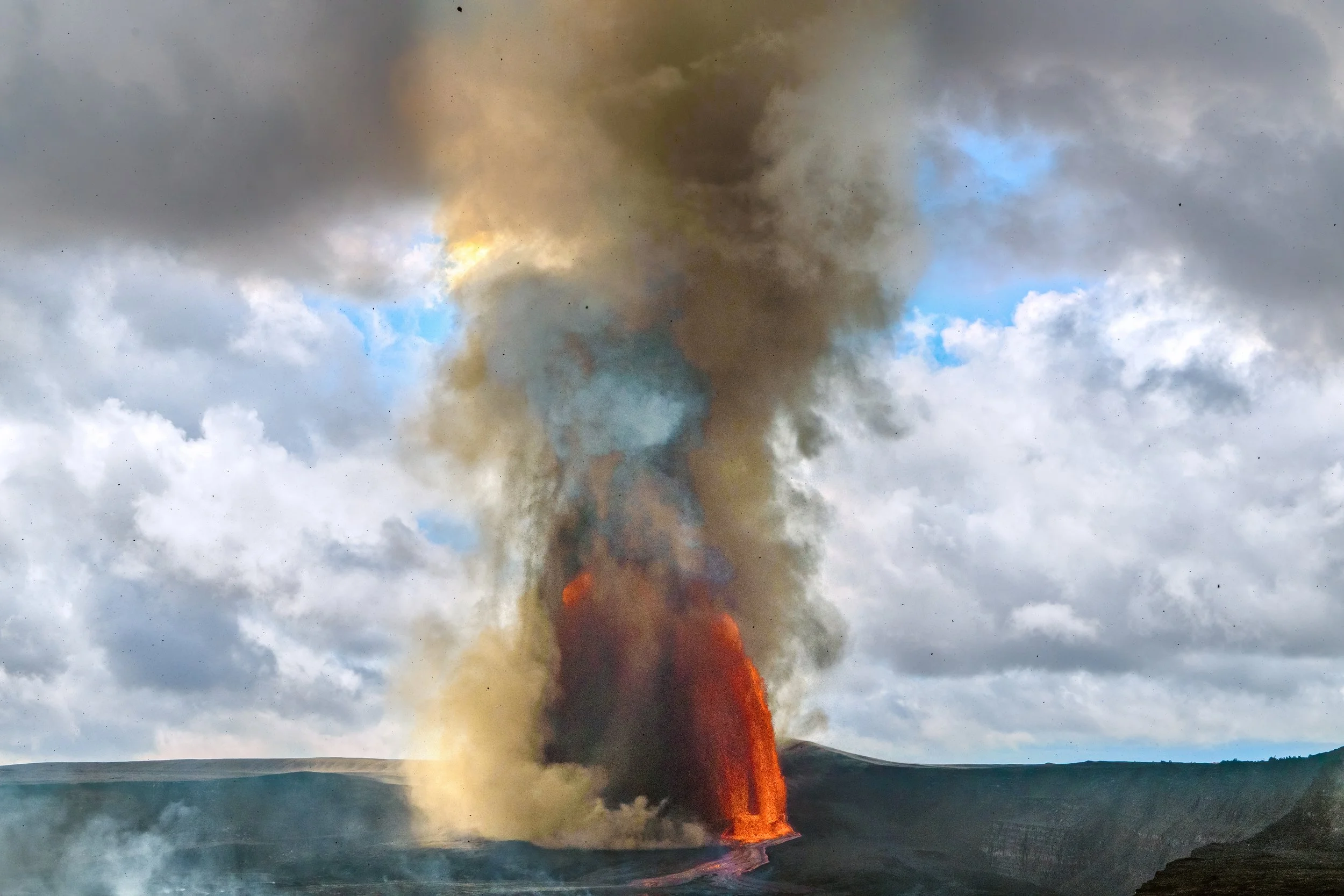
Twin lava fountains feeding an eruptive plume as seen from Wahinekapu viewing area on the north rim of Kaluapele. During Episode 41, fountains reached a height of 450 meters (1,470 feet) and the plume rose to more than 20,000 feet above ground level.
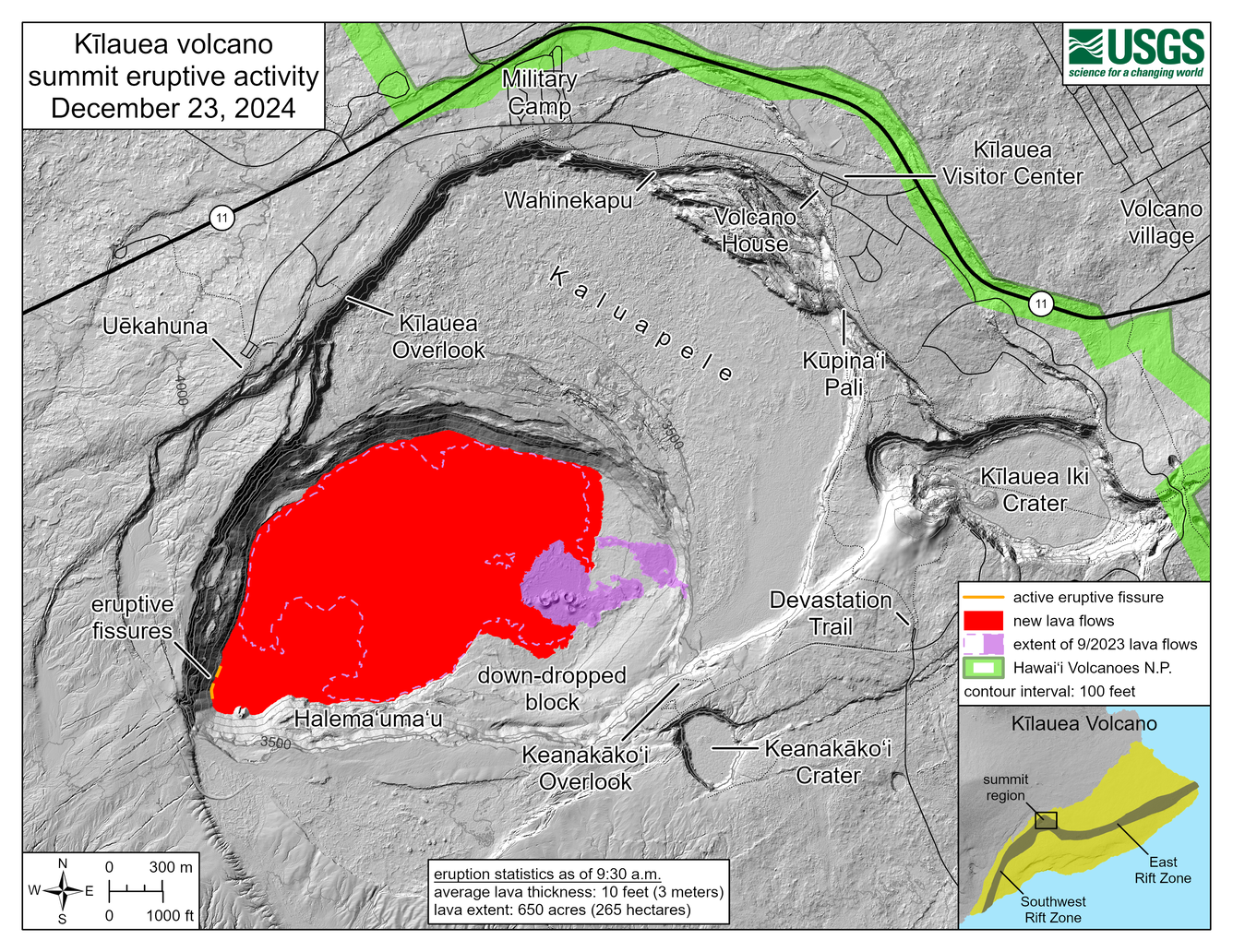
Map of Kīlauea’s summit area showing locations of eruptive fissures (vents), extent of lava flows erupted during 2024, and five viewing areas near the rim of Kaluapele (clockwise from upper left): Uēkahuna, Kīlauea Overlook, Wahinekapu, Kīlauea Iki Overlook, and Devastation Trail. We were at Uēkahuna when Episode 41 started. As successive evacuations were ordered, we retreated to Wahinekapu and then to Kīlauea Iki Overlook until all of Hawai‘i Volcanoes National Park was closed temporarily.
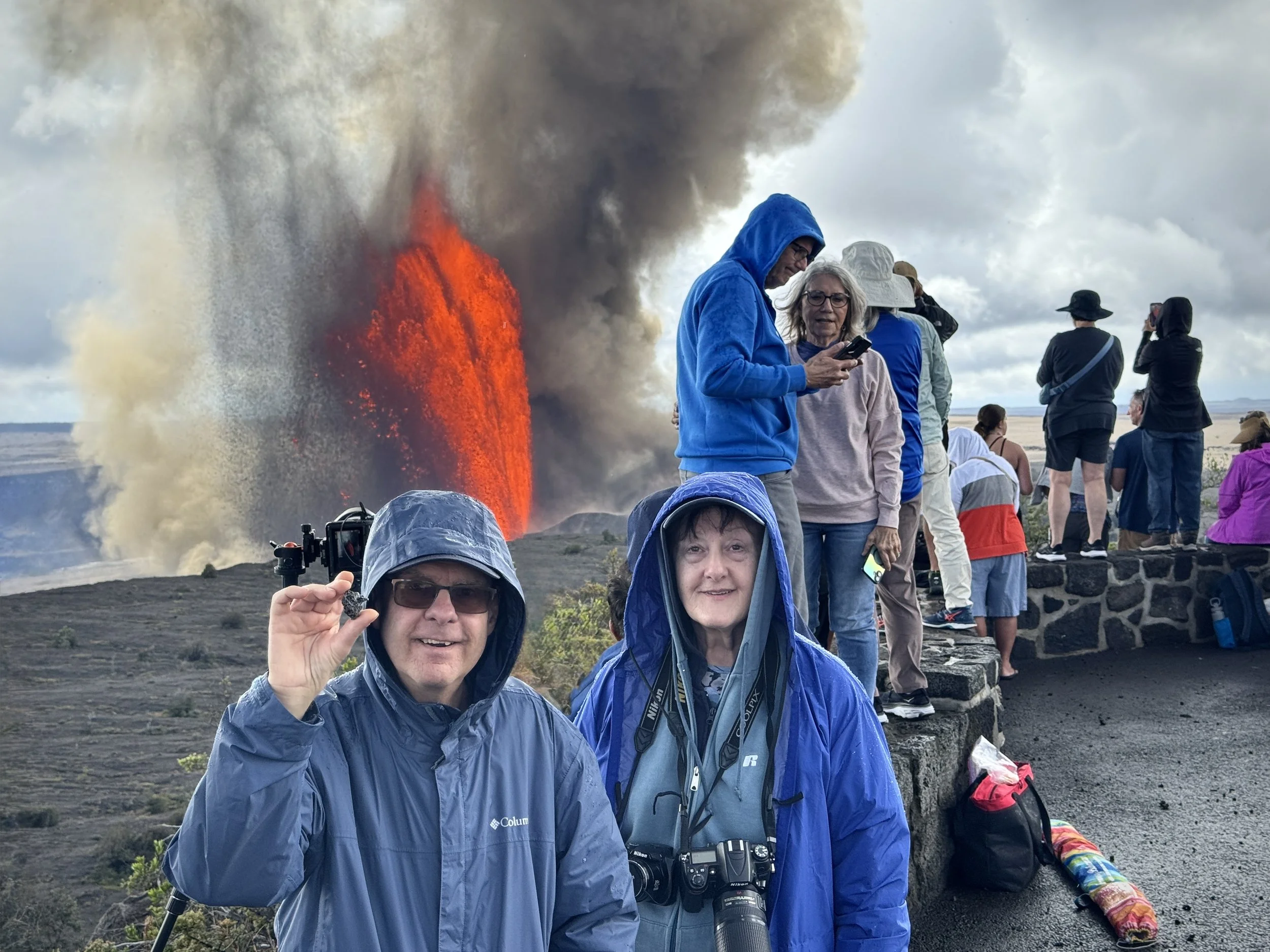
Some of the scoria (volcanic glass) that fell at Uēkahuna was considerably larger than this piece. We stayed here until the viewing area was evacuated about 20 minutes after the high fountaining started.
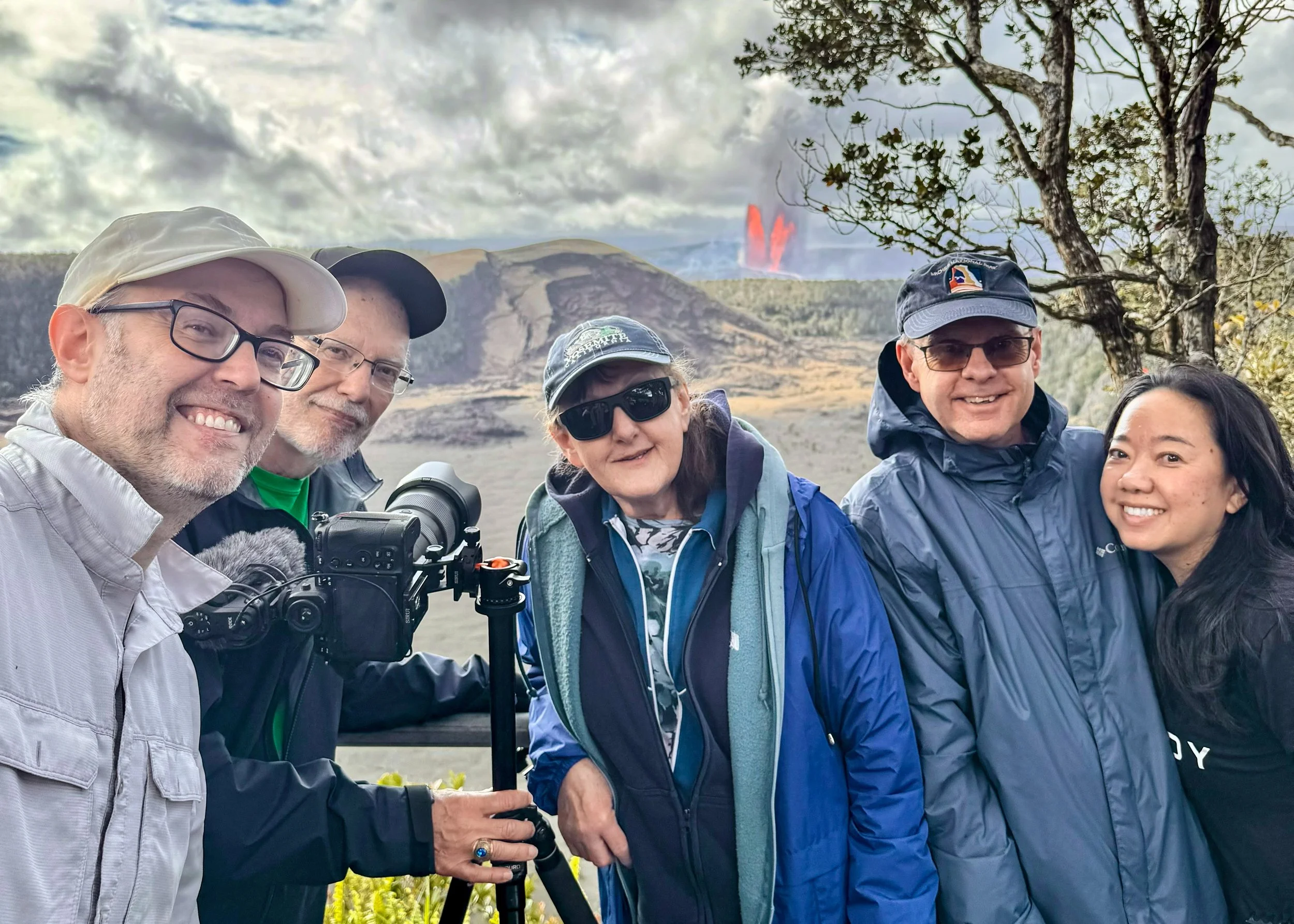
Our experience ended at Kīlauea Iki Overlook when it, too, was evacuated and all of Hawai‘i Volcanoes National Park was closed temporarily. What a day!
The Day It Rained Rocks captures the sights and sounds of a recent eruptive episode at Kīlauea volcano through a combination of original recordings and information provided by the U.S. Geological Survey and the National Park Service. It might be the next best thing to being there. If you’re interested in seeing for yourself, here’s how to plan your visit and here are the best viewpoints.